Suicide Prevention
On this page:
On this page:
I'm Having Thoughts of Suicide
Are You Thinking About Suicide?
If you are struggling or in pain, you don't have to face it alone. Help is available right now. Please reach out to one of the following immediately:
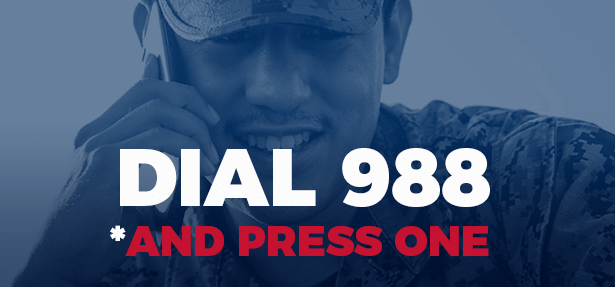
How to Connect:- Call or Text: Dial 988 and Press 1.
- Chat Online: Veterans Crisis Line or 988 Lifeline
- Text: Send a message to 838255 or 988
- Talk to Someone: Reach out to your Chaplain or a trusted friend immediately.
International Dialing (OCONUS)
If you are calling from a DSN phone, dial 988. If calling from off-base:
- Northern Command: Dial 988 then Press 1
- Indo-Pacific Command: +1 844-702-5493
- European Command: +1 844-702-5495
- Central Command: +1 855-422-7719
- Africa Command: +1 888-482-6054
- Southern Command: +1 866-989-9599
If you are OCONUS without a U.S. phone plan, use the online chat at Veterans Crisis Line. These services are free, confidential, and available 24/7.
Create a Safe Space
When you feel overwhelmed, your brain may tell you that things will never change. Wait. Give yourself time between these thoughts and any actions. You will get through this moment.
Firearms are the most lethal method of suicide. Increasing the distance between yourself and a weapon is essential.
- Off-site Storage: Use your unit armory, a local gun shop, or a shooting range.
- Lock It Up: Use a cable lock or trigger lock and give the key to a trusted friend.
- Ask for Help: Contact your Suicide Prevention Program Coordinator (SPPC) or Officer (SPPO) for local options.
Keep medications locked and safely dispose of unneeded pills using these methods:
- The Bag Method: Mix pills with coffee grounds or kitty litter in a sealed bag and throw it in the trash.
- Drop-off Locations: Take them to any military or local pharmacy. Find a location at Safe.Pharmacy.
Think about your home. Are there other items you could use to hurt yourself? Ask a friend to help you remove these items until you feel better.
Unit Support
The Marines in your unit know what you’re facing and are ready to help. Don’t hesitate to reach out to your unit’s specialists.
- Chaplains: 100% confidential support for any life challenge.
- OSCAR Team Members: Peer-to-peer support from fellow Marines trained to identify stress.
- Mental Health Providers: Direct clinical care within your medical network.
- Resilience & Wellness Specialists: Experts focused on mental fitness and proactive health.
- Suicide Prevention Officers: Your unit’s primary contact for prevention resources.
Community Support
You belong to a community of families and professionals dedicated to your resilience.
- Military & Family Life Counselors: For non-medical, confidential counseling.
- Community Counselors: Clinical counseling for individuals, couples, and families within the MCCS network.
- Military OneSource: 24/7 access to specialized support for all aspects of Marine Life.
- Semper Support: Free counseling sessions accessible from anywhere, on your schedule.
MCCS is Here for You
Marine Corps Community Services (MCCS) is committed to your well-being. You are a vital part of the Marine Corps family, and we are here to connect you to the resources you deserve.
Connect to local base resources at usmc-mccs.org.
I Want to Help Someone Else
If you believe a fellow Marine, friend, or loved one is in immediate danger, do not leave them alone. Please share the information below immediately:
How to Connect:- Call or Text: Dial 988 and Press 1.
- Chat Online: Veterans Crisis Line or 988 Lifeline
- Text: Send a message to 838255 or 988
- Talk to Someone: Reach out to your Chaplain or a trusted friend immediately.
International Dialing (OCONUS)
If you are calling from a DSN phone, dial 988. If calling from off-base:
- Northern Command: Dial 988 then Press 1
- Indo-Pacific Command: +1 844-702-5493
- European Command: +1 844-702-5495
- Central Command: +1 855-422-7719
- Africa Command: +1 888-482-6054
- Southern Command: +1 866-989-9599
If you are OCONUS without a U.S. phone plan, use the online chat at Veterans Crisis Line.
Step 1: Know the Signs
Trust your instincts and monitor for behavioral changes that often follow a challenging life event or loss.
Listen for what the person says:
- Being a Burden: "Everyone would be better off without me."
- Hopelessness: "There’s no way out" or "I just want the pain to stop."
- Finality: Making statements about saying goodbye or talking about death (including dark humor).
Watch for what the person does:
- Seeking Means: Looking for firearms, pills, or other lethal items.
- Withdrawal Socially: Backing away from the unit, friends, or family.
- Performance Drops: Sudden decline in work, fitness, or personal hygiene.
- Mood Shifts: Extreme agitation or sudden, unexplained "calm."
Step 2: Use the A.C.T. Tool
Ask: “How are you feeling?” ... “Thinking of giving up?” ... “Are you thinking of killing yourself?”
Care: Listen actively, with respect. No judgement. Let them know they’re not alone.
Take Action: Secure lethal means. Connect them with mentors, leaders, and resources.
Step 3: Share Support Resources
Unit Support
- Chaplains: 100% confidential support.
- OSCAR Team Members: Peer-to-peer identification of stress.
- Mental Health Providers: Direct clinical care.
- SPPC/SPPO: Your unit’s primary contact for prevention.
Community Support
- Military & Family Life Counselors: For non-medical, confidential counseling.
- Community Counselors: Clinical counseling for individuals, couples, and families within the MCCS network.
- Military OneSource: 24/7 access to specialized support for all aspects of Marine Life.
- Semper Support: Free counseling sessions accessible from anywhere, on your schedule.
MCCS is Here for You
Marine Corps Community Services (MCCS) is committed to your well-being. You are a vital part of the Marine Corps family, and we are here to connect you to the resources you deserve to remain resilient and ready.
Connect to local base resources at usmc-mccs.org.
Leaders Resources
Leaders Resources
Seeking Help Is a Sign of Strength
As a leader, you play a critical role in educating your Marines and their families about suicide prevention and mental fitness. You must foster an environment where seeking help is seen as essential to maintaining readiness and well-being.
If you believe one of your Marines is in danger, do not leave them alone. Please share the information below immediately:
The Military & Veterans Crisis Line
Free, confidential, and available 24/7 for Service members and their families.
How to Connect:- Call or Text: Dial 988 and Press 1.
- Chat Online: Veterans Crisis Line or 988 Lifeline
- Text: Send a message to 838255 or 988
International Dialing (OCONUS)
If you are calling from a DSN phone, dial 988. If calling from off-base:
- Northern Command: Dial 988 then Press 1
- Indo-Pacific Command: +1 844-702-5493
- European Command: +1 844-702-5495
- Central Command: +1 855-422-7719
- Africa Command: +1 888-482-6054
- Southern Command: +1 866-989-9599
If OCONUS without a U.S. phone plan, use the Veterans Crisis Line online chat.
Step 1: Identify Risk in Your Unit
Suicide and self-harm are often associated with stressors like relationship distress, work performance issues, pending legal actions, or transitions in duty status.
Listen for what the person says:
- Being a Burden: "Everyone would be better off without me."
- Hopelessness: "There’s no way out" or "I just want the pain to stop."
- Finality: Making statements about saying goodbye or talking about death (including dark humor).
Watch for what the person does:
- Seeking Means: Looking for firearms, pills, or other lethal items.
- Withdrawal Socially: Isolation, backing away from the unit, friends, or family.
- Performance Drops: Sudden decline in work, fitness, or personal hygiene.
- Mood Shifts: Extreme agitation, reckless behavior, or unexplained "calm."
- Digital Cues: Posting self-destructive or hopeless content on social media.
Use the Marines Corps’ official system of record to proactively identify and manage risk and resiliency factors.
- Standardize Force Preservation: Access transferable data on risk factors during PCS moves.
- Inform Leadership Decisions: Use real-time data to drive Force Preservation Councils (FPC).
- Train Your Team: Ensure subordinate leaders are proficient in using CIRRAS securely.
Step 2: Use the A.C.T. Tool
Ask: “How are you feeling?” ... “Thinking of giving up?” ... “Are you thinking of killing yourself?”
Don’t avoid the question. Don’t be afraid of the answer.
Care: Listen actively, with respect. No judgement. Let them know they’re not alone.
Take Action: Secure lethal means. Connect them with mentors and resources. Follow up and keep showing up.
Step 3: Use Command Resources, Assets, and Support
Use this playbook to foster a culture where mental readiness is prioritized. It includes:
- Effective Conversations: Strategies for talking to Marines in need.
- Mental Health Roadmap: A clear path for navigating care and resources.
- Commander Assets: Tools to foster unit connection and well-being.
Command Assets
- Chaplains: 100% confidential support for any life challenge.
- OSCAR Team Members: Peer-to-peer identification and stress management.
- Mental Health Providers: Direct clinical care within your medical network.
- Resilience & Wellness Specialists: Experts focused on mental fitness and social skill building.
- SPPC/SPPO: Your unit’s primary contact for prevention resources and local safety.
Community Support
- Military & Family Life Counselors: For non-medical, confidential counseling.
- Community Counselors: Clinical counseling within the MCCS network.
- Military OneSource: 24/7 access to specialized support for all aspects of Marine Life.
- Semper Support: Free counseling accessible from anywhere, on your schedule.
MCCS is Here for You
Marine Corps Community Services (MCCS) is committed to your well-being. You are a vital part of the Marine Corps family, and we are here to connect you to the resources you deserve.
Connect to local base resources at usmc-mccs.org.